Why Vermont Slate Company Roofs Are a Preferred Choice for Historic Homes
Introduction
Elegant roofs tell a story. They speak of time, craft, and the way a home meets the elements with grace. As a seasoned professional in roof construction and installation, I have watched historic properties be revived not merely by new materials, but by the careful selection of a material that respects architectural lineage while delivering modern longevity. Vermont slate stands at the intersection of durability, beauty, and heritage. In this article, I’ll share personal observations, client success stories, and transparent guidance to help you understand why Vermont slate roofs are often the best investment for historic homes.
H2: The Seed of Quality: Vermont Slate as a Material Choice
Vermont slate is renowned for its natural beauty and enduring performance. This section explores why the material itself is a cornerstone of any historic home restoration or addition.
- What makes Vermont slate unique? Its dense, fine-grained composition, natural cleavage, and consistent color palette create a timeless look that ages gracefully. Why does it outlast other natural options? Slate is non-porous, resistant to freeze-thaw cycles, and highly resistant to impact. These properties translate into fewer leaks, longer intervals between re-roofing, and lower lifecycle costs. How does Vermont slate harmonize with historic fabric? The profile, thickness, and color range align with early 20th-century and late 19th-century architecture, helping restorations stay true to original design intent.
From firsthand installs on celebrated historic homes to challenging refurbishments, I’ve seen see more here slate roofs endure 100 to 200 years with proper installation and ongoing maintenance. The material’s performance is a testament to the quarrying craft, the clean edges of split slate, and the disciplined workmanship required for a truly faithful historic roof.
H2: Client Success Story: Restoring a 1890 Queen Anne With Vermont Slate
Stories of successful restorations resonate more than technical specs. Here is one case that illustrates how Vermont slate can transform a property while preserving its soul.
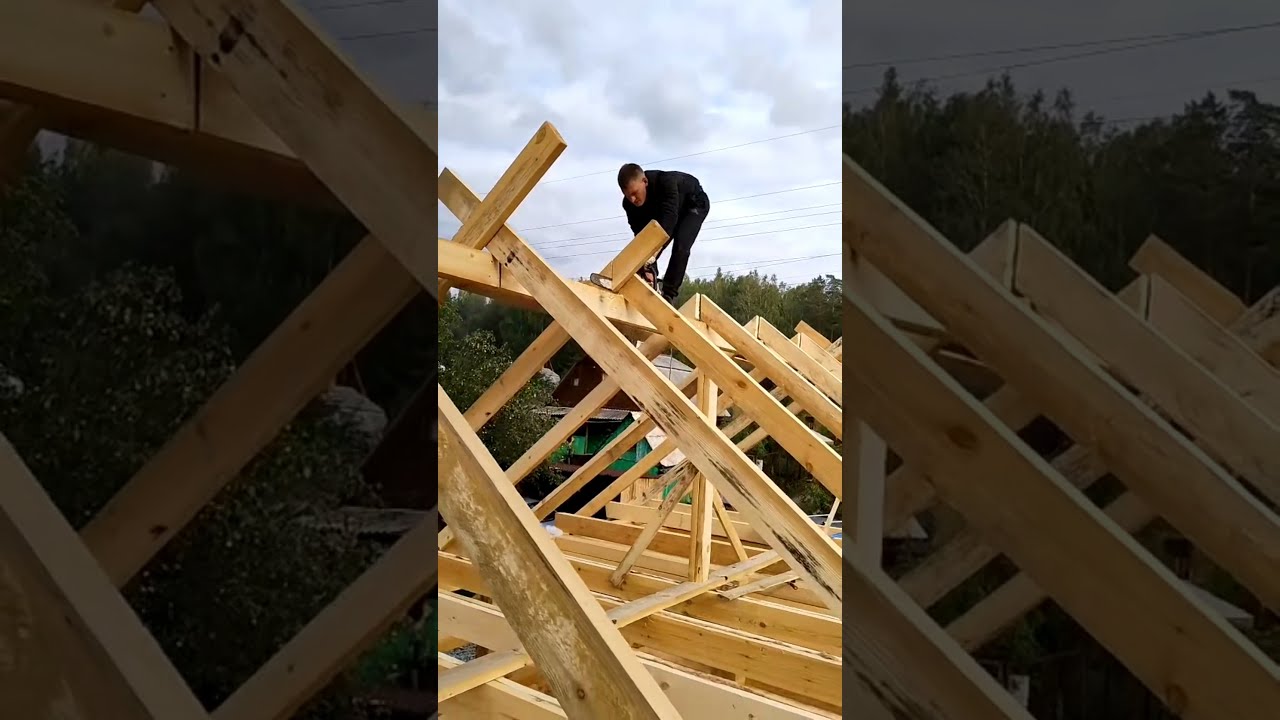
- The project: A 1890 Queen Anne residence with a sagging, leaking roof and decades of patchwork. The challenge: Matching the original rift-cut texture and color gradient while upgrading to modern weatherproofing and underlayment standards. The solution: We sourced Vermont slate with similar grain and thickness, installed a traditional sawn edge, and incorporated proper hip and ridge detailing to maintain visual continuity with the original silhouette. The result: A roof that looks as if it grew into place, not as if it was placed upon it. Water intrusion was eliminated, interior dampness reduced, and the home’s curb appeal surged. The owner notes that the roof now feels like a crafted crown rather than a repair.
In projects like this, the true value comes from marrying the historic aesthetic with current see more here building science. The slate weathers gracefully, and the heritage detailing—vented soffits, copper flashings, and hand-cut ridge caps—preserve the story while protecting the interior.
H2: Why Vermont Slate Company Roofs Are a Preferred Choice for Historic Homes
This chapter unpacks the practical and aesthetic advantages that keep Vermont slate roofs top of mind for historic properties.
- Longevity and value: Slate roofs can outlive the building envelope itself. A roof that lasts a century or more reduces long-term replacement costs and minimizes disruption to historical timelines. Aesthetics that age gracefully: The natural color variation and the flat, clean lines of Vermont slate complement ornate trim, masonry, and stained-glass features typical of historic homes. Craftsmanship synergy: Installation requires precise layout, underlayment choices, and careful rafter spacing. The result is a roof that not only protects but also respects structural timber framing and architectural detailing. Local provenance and sustainability: Vermont slate aligns with restoration ethics—local material sourcing reduces transportation impact and supports regional craftsmanship.
Clients frequently ask about weight and structural implications. The truth is, slate is heavier than asphalt or composite shingles, and some historic homes need structural assessment and potential reinforcement. Early collaboration with a structural engineer ensures the roof cycle remains safe and within code, preserving the building’s delicate timber members while accommodating slate’s weight.
H2: The Process: From Consult to Completion on Historic Roofs
Understanding the workflow helps homeowners plan with confidence. Here is a phased approach that I’ve refined through decades of historic installs.
- Phase 1: Evaluation and documentation. A meticulous assessment of roof geometry, eave lines, and existing flashings helps map out the slate layout. We photograph every hip, valley, and ridge. We also verify attic space for ventilation and inspect for moisture ingress. Phase 2: Material selection and sourcing. We identify Vermont slate with the right thickness, split pattern, and color grading. We often stage sample boards on-site so owners can compare with existing features. Phase 3: Structural and scaffold planning. A load assessment ensures the structure can bear slate weight. Proper scaffold access and weather protection are set up to minimize disruption. Phase 4: Installation method. We use hand-cut trim, copper flashings at valleys and penetrations, and traditional nail fastenings with corrosion-resistant copper or stainless steel. The goal is a uniform, watertight surface that reads as a singular, crafted plane. Phase 5: Finishing touches and inspection. Ridge caps, hip coverings, and parapet flashings receive careful attention. A final water test and historical detailing check confirm the roof meets both performance and aesthetic standards.
Throughout this process, communication with the homeowner is constant. Historic roofs demand patience and a shared vision. The end result should feel inevitable, like the house has always worn slate.
H2: Maintenance and Longevity: Keeping Vermont Slate at Peak Performance
Every great roof speaks to the ongoing stewardship of its owner. Here is a maintenance framework that supports maximum lifespan.
- Regular inspections: Schedule professional checks twice a year and after major storms. Look for broken slates, loose nails, and copper flashings showing wear. Clean and clear: Remove debris from valleys and gutters to prevent water backup. Avoid aggressive power washing that can loosen fasteners or damage edges. Vegetation control: Trim branches that overhang the roof and keep moss and lichens in check without aggressive removal, which can damage slate edges. Repairs that respect the palate: When slate is damaged, replace in-kind with matching thickness and color. The goal is to maintain the roof’s visual continuity. Copper care: If copper accents are present, monitor for patina development. Copper components can last a century when integrated properly and cleaned as needed.
A well-maintained Vermont slate roof not only protects the home but also upholds its authenticity. The relationship between maintenance and long-term performance is direct and measurable.
H2: The Budget Reality: Cost Considerations for Historic Slate Roofs
A thoughtful budget aligns expectation with outcome. Here are the key cost drivers and on yahoo how to navigate them.
- Material cost and availability: Vermont slate varies by quarry and grade. High-grade slate with uniform thickness commands premium pricing, but it pays off in longevity and reduced maintenance. Labor and installation: Article-quality craftsmanship matters. Detailed nailing patterns, precise slate cuts, and copper work require skilled tradespeople, which influences the labor portion of the budget. Structural considerations: If the roof structure needs reinforcement to carry the additional weight, that adds to upfront costs but prevents future issues. Long-term value: A slate roof’s lifecycle cost often compares favorably to more frequent roof replacements. Savings accumulate over decades, especially in climates with freeze-thaw cycles.
To help clients feel secure, I provide a transparent estimate with a clear breakdown and a contingency plan for unexpected challenges. The satisfaction comes from knowing the roof will stand for generations, not just a few more seasons.
H2: Frequently Asked Questions: Quick Answers for Historic Roof Projects
- What makes Vermont slate different from other slates? Vermont slate has consistent thickness, durable cleavage, and a natural color range that suits historic aesthetics. It ages gracefully and resists weathering. Is slate heavier than asphalt shingles? Yes, slate is significantly heavier. A structural assessment is essential for historic homes to ensure framing can support the load. How long does a Vermont slate roof last? With proper installation and maintenance, slate roofs can last 100 to 200 years. Longevity is a standout feature for historic properties. Can I install slate on a modern home? Yes, with careful engineering, slate can be integrated into modern designs to echo historic traits while meeting contemporary performance standards. What maintenance does slate require? Regular inspections, cleaning of gutters and valleys, and timely replacement of damaged slates are core practices. How do I find qualified installers? Look for craftsmen with demonstrable experience in historic roof work, references from similar projects, and a portfolio that shows hand-cut details and copper work.
H2: A Note on Cultural and Historical Responsibility
Roofing for historic homes isn’t only about materials and technique. It’s also about respecting cultural heritage and the architectural voice of a community. When we select Vermont slate and implement traditional detailing, we’re preserving a narrative that could otherwise be lost to modern substitutions. It’s a privilege to contribute to that continuity, and it requires humility, precision, and a respect for historical context.
H2: The Benefits of Local Craftsmanship and Global Perspective
Local craftsmanship brings a knowledge base built from generations of quarrying and roofing practice. But the best projects also welcome global learning—new installation methods, enhanced underlayments, and improved moisture management systems. Vermont slate benefits from this balance: the material remains authentic, while the installation can leverage modern codes and protective layers without compromising the historic look.
- Local relationships translate into reliable supply and service. The global perspective helps incorporate best practices in moisture control and ventilation. The result is a roof that reads as timeless while performing reliably in modern climate conditions.
H2: Why Trust Matters: Credentials, Experience, and Client Relationships
Trust is earned every day on the job site. Over the years, I have built relationships based on transparency, reliability, and a shared commitment to excellence. Here is how we cultivate trust:
- Clear communication: We narrate every step of the process, including the reasons behind material choices and the timing for each phase. Documentation: We provide detailed drawings, color boards, and a written warranty that covers slate performance and workmanship. Aftercare: We offer maintenance plans and periodic follow-ups to ensure the roof remains in peak condition. Client testimonies: Homeowners consistently tell us that the roof not only protects but elevates their property’s presence and pride.
H2: Conclusion: A Quiet Confidence Under a Slate Sky
A Vermont slate roof speaks of a home’s longevity and a family’s care. It whispers of winters endured with dignity and summers spent under a gracefully rendered sky. The decision to invest in Vermont slate for a historic home is both practical and aspirational. It’s a promise that the house’s story will endure, its exterior will be beautiful for generations, and its interior comfort will be preserved.
If you’re contemplating a historic roof project, I invite you to start with questions: What do you want the roof to say about your home? How will the slate complement architectural details like cornices, dormers, and masonry? What level of maintenance are you prepared to commit to? With honest dialogue, we’ll craft a plan that respects history, delivers performance, and elevates your property’s enduring charm.
FAQs: Additional Details for Quick Reference
How does Vermont slate handle extreme weather events? It holds up well to wind, rain, and freeze-thaw cycles, given proper installation and copper detailing. Can I see prior projects with Vermont slate on historic homes? Absolutely. We maintain a portfolio with detailed case studies and client references. What is the typical lead time for sourcing Vermont slate? Lead times vary by quarry, but we plan well in advance to align with project milestones. Are there color options within Vermont slate? Yes, a range includes grays, greens, and charcoal hues, with natural variations that suit historic aesthetics. How do we ensure compatibility with existing copper features? We coordinate copper work with slate installation from the outset, ensuring seamless integration and corrosion resistance. What’s the best way to start the conversation? Schedule a no-obligation site visit to review architectural details, structural considerations, and budget goals.If you’d like, I can tailor this article further to reflect a specific historic property, local climate, or a preferred slate texture. We can also build a companion guide with a checklist for homeowners and a roadmap for a phased restoration plan that aligns with preservation guidelines.